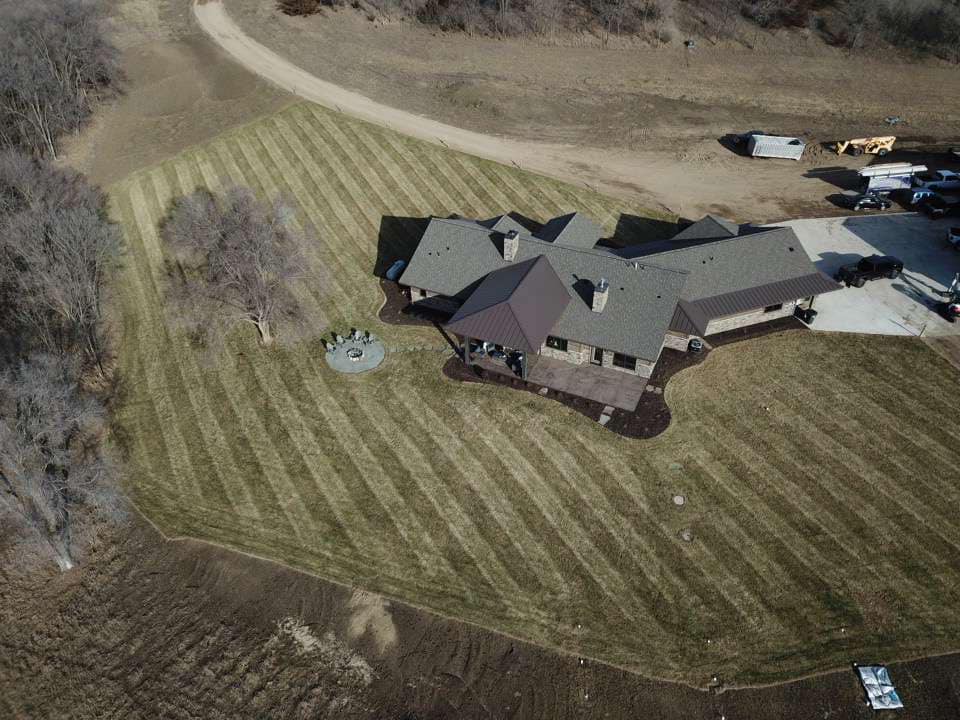
The Beauty of Balance: Harmonizing Softscapes and Hardscapes for a Perfect Outdoor Space Jan 12, 2026
The beauty of balance in landscaping stems from integrating the natural elements of softscapes with the structure and utility of hardscapes. Softscapes encompass all the living components of your landscape—flowers, grass, shrubs, and trees. These elements bring color, life, and texture to your space. Hardscapes, on the other hand, involve non-living elements such as walkways, patios, walls, and water features. These elements provide the much-needed functionality and structure to your garden.
The first step in achieving harmony between softscapes and hardscapes is understanding the role each plays in the overall design. Softscapes are essential for creating an eco-friendly environment, supporting local wildlife, and adding seasonal interest with varying shades, shapes, and heights. Hardscapes provide practical solutions for maximizing outdoor living spaces by defining areas for dining, lounging, and entertainment. By considering these roles, you can start to weave these elements together in a cohesive design.
Designing your space should start with a central vision. Perhaps you want a tranquil retreat with a lush garden as the centerpiece, or maybe a modern look with sleek patios and a minimalist plant palette. Regardless of your vision, a balanced design is crucial. Begin by sketching out or discussing the layout with an experienced landscaper, identifying areas for planting, pathways, and patios. Consider the natural flow of your outdoor space, creating transitions that lead the eye and guide movement through the use of paths and strategically placed plants.
A balanced landscape uses hardscapes to create borders and focal points, enhancing the allure of your softscapes. A beautifully paved walkway meandering through a series of flower beds can invite exploration and enjoyment. Similarly, a stone wall can provide a stunning backdrop to a cascading display of colorful perennials and ornamental grasses. These structures not only frame the beauty of nature but also make the space more accessible and enjoyable for everyday use.
Furthermore, incorporating different textures can enhance the sensory experience of your garden. The rough texture of stone juxtaposed with the smoothness of leaves or the gentle swaying of ornamental grasses provides a tactile contrast that enhances the visual interest. Similarly, the earthy tones of a brick patio can ground the vibrant hues of seasonal blooms, creating a visual rhythm that captivates and soothes.
Maintenance is another crucial aspect to consider. Softscapes require attention such as watering and pruning, while hardscapes need cleaning and, occasionally, repair. Designing with maintenance in mind ensures your outdoor space remains beautiful and functional year-round. Collaborating with professionals like Wurm Lawn and Landscape can make this process seamless, providing you with a bespoke maintenance plan tailored to the specific needs of your landscape components.
In conclusion, harmonizing softscapes and hardscapes requires thoughtful planning and a keen eye for design. This balance can transform your garden into a functional, inviting, and serene extension of your home. At Wurm Lawn and Landscape, we are committed to helping you create your perfect outdoor space—one that speaks to your style and enhances your life. Whether you're starting from scratch or looking to rejuvenate an existing landscape, understanding the importance of balance between these elements is the first step towards your dream outdoor sanctuary.
/filters:no_upscale()/filters:format(webp)/media/2d379b30-a41f-47b9-97b6-72ad368f3e1d.jpeg)